1. Introduction: Do Dogs Really Feel Guilt?
Do dogs really feel guilt? It’s a question many pet owners have pondered. You may have noticed your dog acting strangely, seemingly ashamed or avoiding eye contact after an accident. But does this truly indicate guilt, or is it something else? Understanding whether dogs feel guilt is not just about reading their behavior but also about decoding the emotions behind those actions.
In this article, we’ll dive deep into dog emotions and behaviors to examine if dogs truly experience guilt. This will help you, as a pet parent, understand your dog better and improve your relationship with them.

2. Understanding Dog Emotions
To answer the question, “Do dogs really feel guilt?” we first need to understand how dogs experience emotions. Dogs are known to form strong bonds with their owners, and they have the capacity to express a wide range of feelings, from happiness to fear. However, their emotional spectrum may not mirror that of humans entirely.
Many scientists believe that dogs can experience basic emotions such as joy, anxiety, and fear. But when it comes to more complex emotions like guilt, the evidence is less clear.

3. The Science Behind Dog Emotions
Can dogs feel guilt? Research into canine emotions has shown that dogs process emotions in ways that are not too dissimilar from humans. For instance, dogs can recognize human facial expressions, respond to their owners’ moods, and even display behaviors that indicate emotional distress when separated from their human family members.
Studies suggest that the emotional lives of dogs are built upon the same neural networks that allow humans to process feelings. However, it’s still unclear whether these emotional responses are the same in depth and complexity.
4. Do Dogs Feel Guilt or Just Fear?
One theory is that dogs don’t feel guilt the way humans do, but rather experience a response driven by fear. This “guilt behavior” you may observe, like a dog lowering their head or cowering when you return home to a chewed-up shoe, could be a reaction to your tone or body language.
Fear-induced behaviors might simply reflect your dog’s awareness that they’ve done something that displeases you, rather than guilt over their actions. In this case, the behavior isn’t so much about moral responsibility but about associating their actions with negative outcomes.
5. How Dogs Express Guilt and Other Emotions
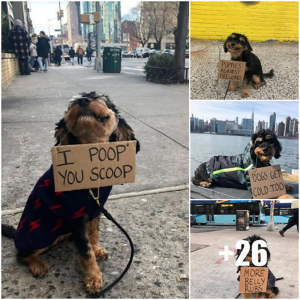
Dogs communicate their emotions through body language. When people interpret guilt in their dogs, they often notice behaviors such as avoiding eye contact, lowering their head, or appearing to “slink” away. These behaviors can also occur when a dog is fearful or anxious, which makes it difficult to distinguish between fear and actual guilt.
The key difference between guilt and other emotions in dogs may lie in the situation. A dog’s emotional state is often triggered by their understanding of the situation and the reactions of their owners. So, if you punish your dog after they’ve done something wrong, their reaction could be a response to fear or anxiety rather than guilt.